
Redness, swelling, and pain — inflammatory acne goes deeper than
surface blemishes. Discover what’s really happening in your skin and how
to treat it effectively.
Trusted by thousands of clients
Inflammatory acne occurs when bacteria infect clogged pores, triggering an immune
response. Unlike non-inflammatory acne, these lesions are red, tender, and can
cause lasting scarring without proper treatment.
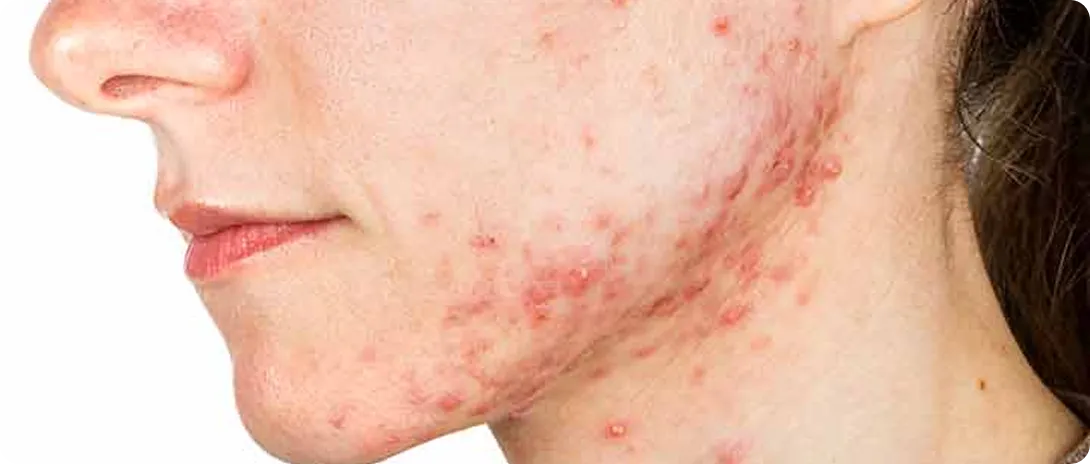
The most severe form of acne. Large, painful, pus-filled lumps develop deep beneath the skin, caused by trapped bacteria, oil, and dead skin cells. Can persist for weeks and often causes scarring.
→ Non-prescription clinical treatment — targeted extractions, high-frequency therapy, LED light treatment, and a customized at-home product regimen.
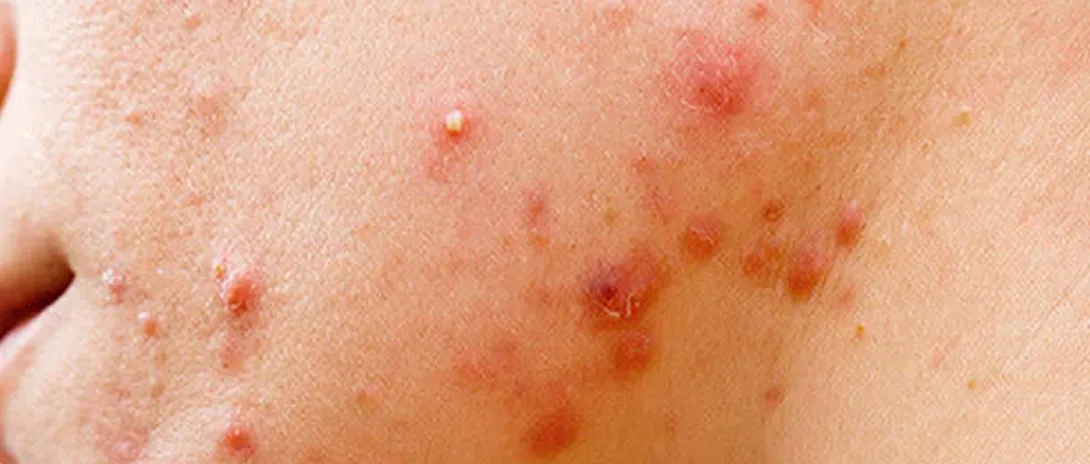
Hard, painful lumps deep under the skin. Solid nodules form when clogged pores damage deep tissues. These firm bumps can be large, take weeks to heal, and are stubborn to treat.
→ Non-prescription clinical protocol — specialized extractions, high-frequency therapy, and a skincare routine built around your triggers.
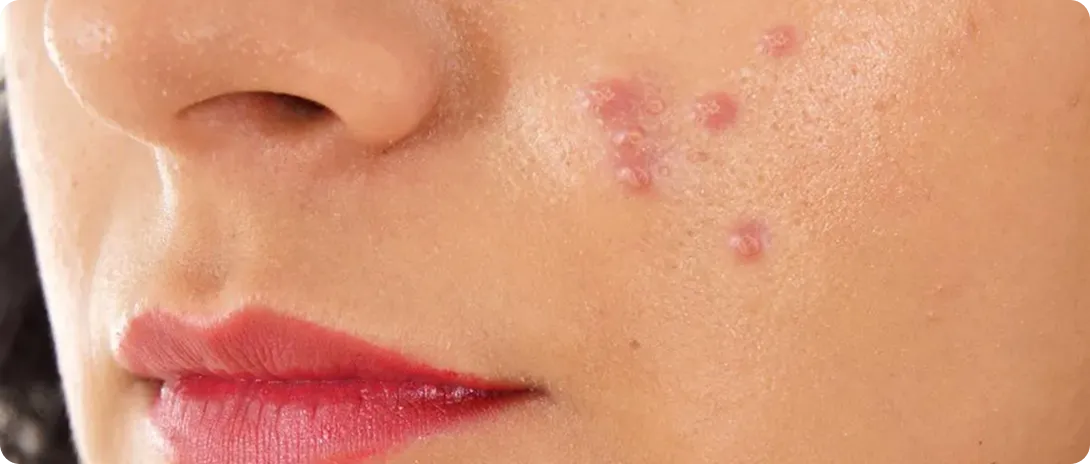
Inflamed, pus-filled bumps with a red base and white or yellow center. Tender to touch and form when pores become infected with bacteria. Avoid popping to prevent scarring and infection spread.
→ Gentle extractions, high-frequency therapy, and a non-prescription regimen to calm inflammation and prevent recurrence.
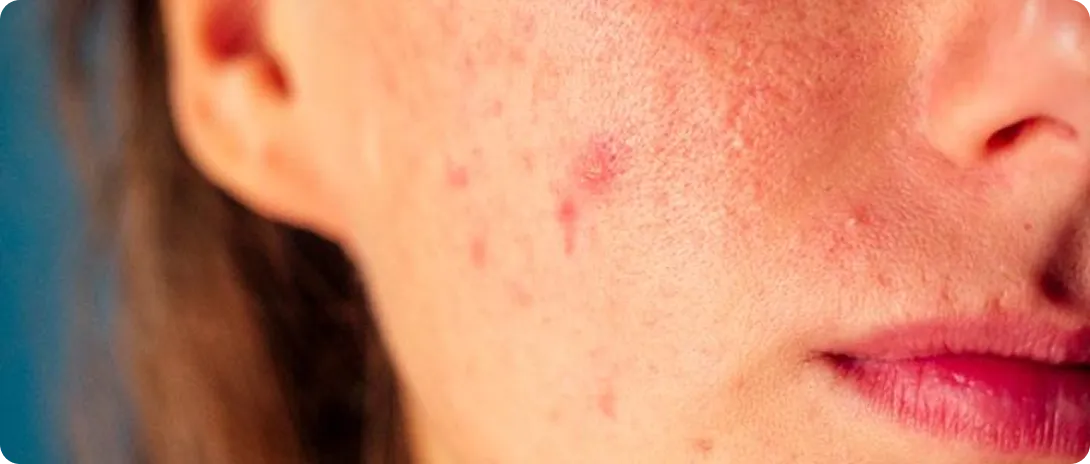
Small, raised red or pink bumps that are tender to touch. Form when oil, bacteria, and dead skin cells damage pore walls. Often appear in clusters as an early inflammatory acne sign.
→ Non-prescription anti-inflammatory care — customized treatments and a targeted skincare routine to reduce redness and prevent new breakouts.
Inflammatory acne isn’t just about bacteria. Multiple overlapping triggers determine severity and how your skin responds to treatment.
Fluctuations in androgens stimulate oil glands, causing excess sebum. Common during puberty, menstruation, pregnancy, and menopause.
Overgrowth of Cutibacterium acnes in clogged pores triggers inflammation. The most common underlying driver of inflammatory acne.
Overgrowth of Malassezia yeast in follicles — often mistaken for acne. Requires antifungals, not standard acne treatments.
Friction, pressure, or heat on skin from helmets, straps, or tight clothing. Includes maskne from prolonged mask use.
Certain medications like corticosteroids, lithium, anabolic steroids, and some contraceptives can trigger or worsen acne breakouts.
High-glycemic foods and dairy are linked to increased breakouts. Growing research supports the connection, though individual responses vary.
Stress raises cortisol, stimulating oil production and worsening existing acne. More of an aggravator than a standalone cause.
Pore-clogging (comedogenic) ingredients in skincare or makeup build up in follicles, typically causing persistent small whiteheads.
We believe in treating not just the symptoms, but addressing the root causes of acne with evidence-based solutions and unwavering support.

Every treatment we offer is backed by rigorous scientific research and clinical trials, ensuring safe and effective results.

We recognize that every skin is unique. Our treatments are customized to your specific skin type, lifestyle, and goals.

We address skin health from all angles—nutrition, lifestyle, stress management, and advanced treatments.


