
What Causes Acne
For most people, acne is an inherited condition of the pores. When someone is prone to acne, their pores clog with dead skin cells much faster than normal…

A guided experience to help you decode your skin, identify your acne type, and find a routine that actually works.

Acne is a common skin condition that occurs when hair follicles become clogged with oil, dead skin cells, and bacteria, leading to breakouts such as pimples, blackheads, and cysts.
For most people, acne is an inherited condition of the pores. When someone is prone to acne, their pores clog with dead skin cells much faster than normal…
Washing your face several times a day will not do anything to keep you from breaking out. In most cases, it will only serve to irritate and dehydrate your skin…
Understanding your acne type is the first step toward effective treatment. Each type has different causes and requires a personalized approach to achieve clear, healthy skin.
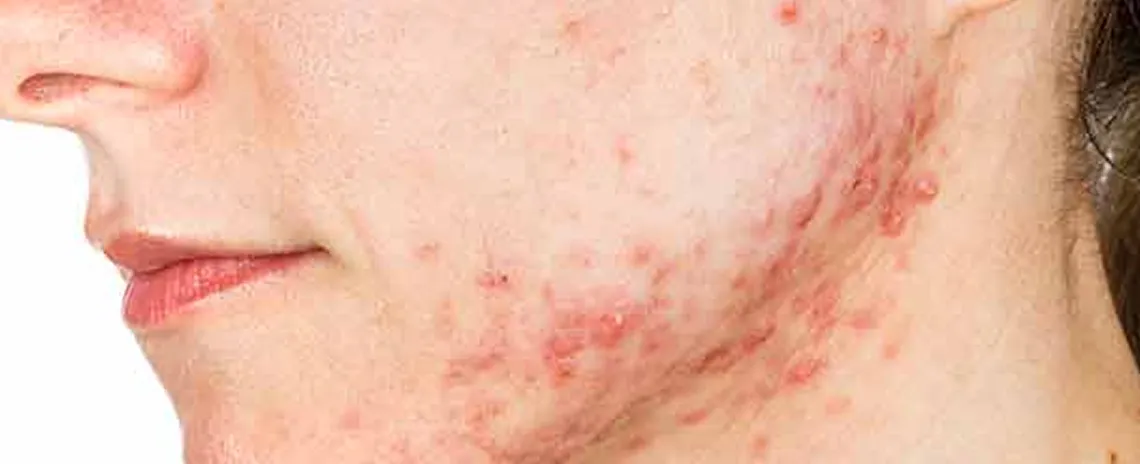

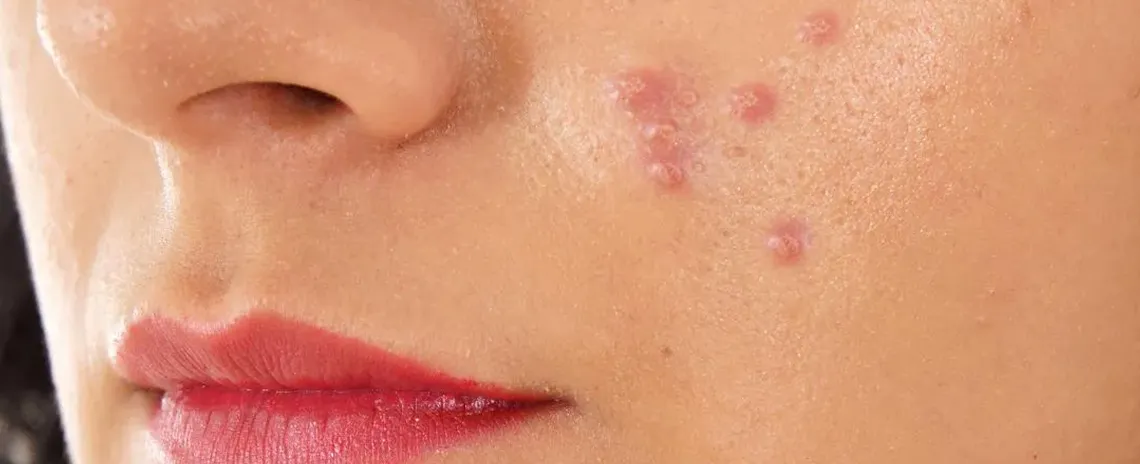
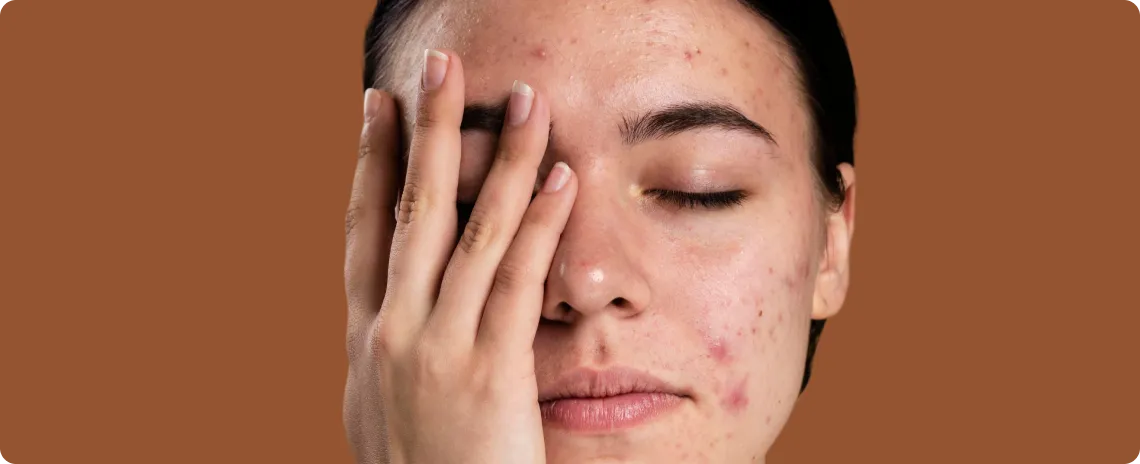
Breakouts triggered by hormonal fluctuations during cycles, pregnancy, or menopause
Acne rarely has a single cause. Here are the most common contributing factors.
Fluctuations in androgens stimulate oil glands, causing excess sebum. Common during puberty, menstruation, pregnancy, and menopause.
Overgrowth of Cutibacterium acnes in clogged pores triggers inflammation. The most common underlying driver of inflammatory acne.
Overgrowth of Malassezia yeast in follicles — often mistaken for acne. Requires antifungals, not standard acne treatments.
Friction, pressure, or heat on skin from helmets, straps, or tight clothing. Includes maskne from prolonged mask use.
Certain medications like corticosteroids, lithium, anabolic steroids, and some contraceptives can trigger or worsen acne breakouts.
High-glycemic foods and dairy are linked to increased breakouts. Growing research supports the connection, though individual responses vary.
Stress raises cortisol, stimulating oil production and worsening existing acne. More of an aggravator than a standalone cause.
Pore-clogging (comedogenic) ingredients in skincare or makeup build up in follicles, typically causing persistent small whiteheads.
Click each card to reveal the real truth — backed by science.
Only teenagers get acne
Acne can affect people at any age — many adults experience breakouts well into their 30s, 40s, and beyond, often due to hormones, stress, or skincare habits
Acne is caused by dirty skin
Acne is caused by clogged pores, bacteria, and inflammation—not poor hygiene.
Sun exposure clears acne
UV rays may temporarily dry out skin, but sun damage worsens acne and causes scarring long-term.
Popping pimples makes them heal faster
Popping spreads bacteria, increases inflammation, and raises the risk of permanent scarring.


