
If you’ve been researching acne treatment options, you’ve probably come across two paths: seeing a dermatologist or seeing an acne specialist. Both are legitimate options. Both have their place. But they’re built to do different things — and understanding that difference can save you a lot of time, money, and frustration.
Here’s a clear breakdown of what each provider offers and how to decide which one is the right fit for where you are right now.
Their medical background makes them the right choice when acne needs to be evaluated alongside other skin conditions, when prescription medications are being considered, or when a clinical diagnosis is needed. Dermatologists can prescribe antibiotics, topical retinoids, hormonal therapies, and Accutane — tools that are appropriate in certain cases and require medical oversight to use safely.
Dermatologists are licensed medical doctors who specialize in conditions of the skin, hair, and nails. They’re trained to diagnose and treat a broad range of skin conditions — from eczema and psoriasis to skin cancer, rosacea, alopecia, and acne.
For many patients, especially those with severe or complex presentations, a dermatologist is exactly the right starting point.
An acne specialist focuses exclusively on acne. Every protocol, every product decision, every treatment is built around one outcome: getting your skin clear and keeping it that way.
Where dermatology covers a wide range of skin conditions, an acne specialist goes deep on one. That depth of focus changes the entire treatment experience — from how the initial consultation is structured, to how frequently you’re seen, to how your protocol is adjusted as your skin responds.
At AcneFix, every new client starts with a comprehensive consultation that looks beyond the surface. We assess:
From there, we build a personalized CLEAR protocol: biweekly in-office treatments (professional extractions, high-frequency therapy, and LED light therapy) combined with a customized at-home routine. The goal isn’t to manage acne — it’s to change the skin environment so acne is less likely to form in the first place.
No prescriptions. No systemic medications. Most clients see their acne under control within three to four months.
| Dermatologist | Acne Specialist | |
| Scope | Broad — all skin, hair, nail conditions | Focused — acne only |
| Treatment tools | Prescription medications + topicals | Non-prescription protocols + in-office treatments |
| Appointment frequency | Every few months | Every two weeks |
| Root cause analysis | Diagnosis-focused | Comprehensive lifestyle + product review |
| Best for | Complex or severe cases needing medical oversight | Persistent acne, root cause treatment, non-prescription approach |
A dermatologist may be the right fit if:
An acne specialist may be the right fit if:
The two aren’t mutually exclusive. Some clients come to AcneFix alongside ongoing dermatology care. Others come first and find they don’t need the prescription route at all. What matters is finding the right fit for your skin and your goals.
AcneFix was founded by Shal, a former Plastic and Reconstructive Surgeon with a decade of experience at Malaysia’s largest plastic surgery center. When she relocated to Houston and built AcneFix, she brought a surgical-grade understanding of skin, tissue, healing, and scarring that informs every protocol we use.
That foundation shapes how we assess skin, how we build treatment plans, and how we train every specialist across all five of our Houston-area locations — Cypress, Katy, The Heights, Sugar Land, and The Woodlands.
The result is a center built entirely around one thing: getting your skin clear and keeping it that way. 650+ five-star reviews across our locations reflect what’s possible when acne gets the focused attention it deserves.
Book a consultation at any of our five Greater Houston locations. We’ll take a close look at what’s driving your breakouts and map out a clear path forward.
Acne doesn’t follow an age limit. Among Americans aged 30–45, 61% experience acne in their 30s, and for many, it feels more stubborn and harder to treat than anything they dealt with as teenagers. That’s not a coincidence. Adult acne in your 30s is a different condition, driven by different factors, and it responds to a different approach.
Here’s what the science actually says about why it happens — and what you can do about it.
Teenage acne is primarily triggered by puberty — a surge in androgens that drives excess sebum production broadly across the face, back, and chest. It often affects large surface areas, tends to present as a mix of comedones and inflammatory lesions, and in many cases improves naturally as hormones stabilize through the early twenties.
Adult acne in your 30s has a distinct clinical profile. It tends to:
These patterns point to specific underlying drivers that are worth understanding in detail.
Hormonal imbalances are a major cause of adult acne, particularly in women. Conditions like Polycystic Ovary Syndrome (PCOS) disrupt the balance of hormones, leading to persistent acne. Menopause can also cause a rise in androgen levels, which increase oil production.
Beyond these conditions, significant hormonal shifts occur throughout the 30s with pregnancy, postpartum recovery, early perimenopause, and stopping or changing hormonal birth control. Even normal monthly cycle fluctuations — as estrogen drops before menstruation — can trigger androgen-dominant periods that drive jawline and chin breakouts.
This is why adult hormonal acne clusters on the lower face: androgen-sensitive sebaceous glands are most concentrated in that zone.
Causes of adult acne include hormones, stress, and clogged pores by oil, skin cells, and bacteria. But the stress component works differently in adults than in teenagers.
Cortisol — the primary stress hormone — directly stimulates sebaceous gland activity and promotes inflammatory signaling at the follicle level. In your 30s, stress is often chronic rather than acute: career pressure, financial demands, parenting, caregiving. This sustained elevation in cortisol keeps the internal environment primed for breakouts in a way that short-term teenage stress typically doesn’t.
Cortisol also disrupts sleep, which impairs the skin’s overnight repair cycle — compounding the effect.
One of the most underdiagnosed causes of adult acne is the products being used to manage it. As people move into their 30s, product choices often shift — toward richer moisturizers for anti-aging, heavier coverage foundations, or more intensive hair treatments. Many of these products contain comedogenic ingredients that block pores regardless of how gentle or “skin-friendly” the marketing claims are.
Common culprits include certain algae extracts, isopropyl myristate, coconut oil, and a range of emollients found in products specifically formulated for sensitive or mature skin. Identifying and removing these ingredients is frequently one of the most impactful steps an adult acne patient can take — and one of the least commonly addressed in standard treatment plans.
The relationship between diet and acne is better established than it was a decade ago. High glycemic index foods — refined carbohydrates, sugary drinks, processed snacks — drive insulin and IGF-1 spikes that stimulate sebaceous gland activity. Dairy, particularly skim milk, has been associated with increased acne in multiple studies, likely due to its hormonal content and effect on IGF-1 levels.
Dietary patterns that were tolerated in earlier years may become more visible in your 30s as skin resilience changes and hormonal sensitivity increases. This doesn’t mean extreme dietary restriction — small, targeted changes based on your individual breakout patterns are usually sufficient.
As skin moves through the 30s, cellular turnover slows naturally. Dead skin cells are shed less efficiently, making pore blockages more likely even without any change in sebum production. This explains why many adults notice a shift in their acne pattern — more congestion and cystic lesions, fewer surface pustules — even when nothing obvious in their lifestyle has changed.
Understanding the cause determines the treatment. General-purpose acne products aren’t formulated for the multi-factor nature of adult hormonal acne, which is why many people in their 30s cycle through products without lasting results.
Effective treatment for adult acne typically requires addressing several factors simultaneously:
Regulating cellular turnover — ingredients like retinoids and exfoliating acids that encourage more efficient shedding of dead skin cells, reducing the likelihood of pore blockages forming in the first place.
Identifying and eliminating comedogenic triggers — a thorough audit of all skincare, makeup, and haircare products for pore-clogging ingredients. This step alone resolves a significant portion of persistent adult acne in clients who have otherwise done everything right.
Addressing inflammation — professional treatments such as high-frequency therapy and LED light therapy reduce inflammatory activity at the follicle level without the systemic side effects of oral medications.
Supporting hormonal balance through lifestyle — managing blood sugar through dietary choices, prioritizing sleep, and reducing sustained stress exposure all create an internal environment less favorable to breakouts. These aren’t dramatic lifestyle overhauls — they’re targeted adjustments based on which factors are most active in the individual’s pattern.
Professional extractions — properly performed extractions clear existing blockages without spreading bacteria or causing trauma to surrounding tissue. Home picking and squeezing have the opposite effect and significantly increase the risk of post-inflammatory scarring.
Most adult acne is not dangerous, but some situations require medical evaluation — including when acne is severe, scarring, or persistent despite treatment.
If your acne has been present for more than three months, is leaving marks or texture changes after healing, or has not responded to consistent over-the-counter treatment, it’s worth getting a professional assessment. The longer inflammatory acne goes unaddressed, the higher the risk of permanent scarring — and the harder that scarring is to treat.
A specialist who focuses exclusively on acne can assess the full picture — hormonal patterns, product ingredients, dietary factors, and skin type — and build a protocol specific to your presentation rather than a generic approach.
Acne in your 30s is not a hygiene problem or a sign of aging badly. It’s a clinical condition with identifiable drivers that respond to targeted, evidence-based treatment.
The most important step is understanding what’s actually causing your specific breakouts — because adult hormonal acne and teenage acne are not the same condition, and they don’t respond to the same solutions.
At AcneFix, we specialize in adult and hormonal acne across five Greater Houston locations. If you’d like a professional assessment of what’s driving your breakouts, book a consultation, and we’ll map out a clear path forward.
Lorem ipsum dummy dummy text
Acne is a common skin condition affecting millions of people worldwide, and finding makeup and skincare products that don’t exacerbate it can be daunting. This guide is designed to help you navigate the complex world of cosmetics and skincare, ensuring that your beauty routine supports a clear and healthy complexion.
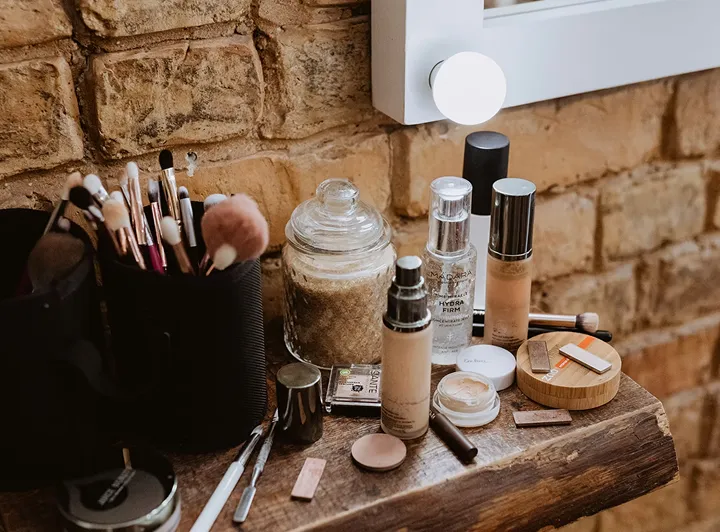
The term “non-comedogenic” is key when selecting acne-friendly products. It means that the product is specifically formulated not to clog pores, which is crucial for preventing breakouts. However, it’s important to remember that what doesn’t clog one person’s pores might clog yours, as skin sensitivity varies significantly from person to person.
Salicylic acid is a beta hydroxy acid (BHA) known for its ability to exfoliate the skin and clear pores, making it a star ingredient in acne-fighting skincare products.
Hyaluronic acid is excellent for hydration without adding oiliness to the skin. It helps to keep the skin moisturized and plump, reducing the likelihood of irritation that can exacerbate acne.
Niacinamide, or vitamin B3, helps calm inflammation, reducing redness and irritation from acne. It also regulates oil production, which can help prevent future breakouts.
While coconut oil has benefits, it’s known to be comedogenic for many people. If you’re prone to acne, avoiding products with coconut oil as a primary ingredient is best.
Fragrances can irritate sensitive skin, leading to breakouts. Opt for fragrance-free products to minimize the risk of irritation.
High concentrations of certain alcohols can dry out the skin, increasing oil production as the skin tries to compensate for the dryness, potentially causing more breakouts.
Look for gentle, non-foaming cleansers that remove impurities without stripping the skin of its natural oils. Cleansers with salicylic acid can provide an added benefit for acne-prone skin.
Choose oil-free, non-comedogenic moisturizers to keep your skin hydrated. Products containing hyaluronic acid are ideal for providing moisture without adding oiliness.
Mineral-based makeup products are often recommended for acne-prone skin as they are less likely to clog pores. Look for foundations and powders labeled as non-comedogenic and free of oils and fragrances.
1. Always Clean Your Brushes and Sponges: Regularly cleaning your makeup applicators can prevent the buildup of bacteria and oil, reducing the risk of breakouts.
2. Patch Test New Products: Before using a new product all over your face, do a patch test on a small area to see how your skin reacts.
3. Less Is More: When it comes to acne-prone skin, a lighter hand with makeup can prevent clogging pores and allow your skin to breathe better.
4. Remove Makeup Before Bed: Always remove your makeup thoroughly before going to bed to prevent breakouts and allow your skin to repair overnight.
Navigating the world of acne-friendly makeup and skincare doesn’t have to be overwhelming. By understanding the ingredients that benefit or harm acne-prone skin and following simple guidelines, you can maintain a beauty routine that supports your skin’s health and radiance.
To further assist in your journey towards clearer skin, we encourage you to use the pore-clogging-ingredients checker available on our website. This tool can help you quickly identify whether the products you’re interested in contain any ingredients known to clog pores, making it easier to select products that are truly acne-friendly and suitable for your skin type. Remember, listening to your skin and adjusting your products as needed is key since everyone’s skin responds differently to various ingredients and formulations.
You finished your course of antibiotics. Your skin cleared up. You felt good about it.
Then, a few weeks later, the breakouts came back — sometimes worse than before.
If this sounds familiar, you’re not alone. It’s one of the most common patterns we see at AcneFix. And the frustrating part? It was predictable.
Here’s why it happens, and what actually addresses the problem at its root.
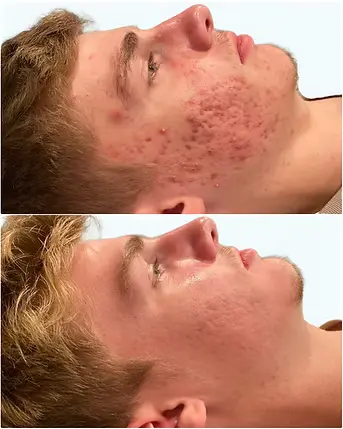
Client results after completing AcneFix’s CLEAR protocol — previously treated with antibiotics without lasting results
Antibiotics target Cutibacterium acnes (C. acnes), the bacteria that contribute to inflammatory acne. When you take them, bacterial levels drop, inflammation decreases, and your skin clears.
This is real. It’s not a placebo. But it’s also not a fix.
Antibiotics address one factor in a multi-factor condition. Acne isn’t caused by bacteria alone — it’s driven by a combination of:
Antibiotics don’t touch any of these. So when you stop the prescription, the environment that caused your acne in the first place is still there. The bacteria repopulate. The breakouts return.
There’s a second issue: antibiotic resistance. Repeated courses of antibiotics — which many acne patients go through — select for resistant strains of C. acnes. Over time, the same antibiotic becomes less effective. You need higher doses, different antibiotics, or longer courses to get the same result.
This is why dermatologists often cycle patients through multiple antibiotics over months or years without lasting resolution. The approach treats the symptom, not the source.
Clearing acne in the long term requires addressing all four drivers simultaneously — sebum, cellular turnover, inflammation, and comedogenic triggers.
This is the foundation of AcneFix’s CLEAR protocol. Rather than suppressing bacterial activity with medication, the protocol works by:
1. Regulating cellular turnover so pores stop blocking in the first place
2. Calibrating your skin’s oil response through targeted topical formulations
3. Eliminating comedogenic triggers from your diet, skincare, and personal care products — most clients are unknowingly using products that directly contribute to their breakouts
4. Using professional in-office treatments — extractions, high-frequency therapy, and LED light therapy — to address active lesions without systemic medication
The result isn’t a temporary clear. It’s a skin environment that no longer produces acne at the same rate. Most clients get their acne under control within three to four months.
If your acne keeps returning after antibiotics, it’s not your fault. It means you’ve been given a tool that was designed for a different job.
The right question isn’t which antibiotic works best for acne — it’s why my skin is producing acne in the first place and how we can change that.

Acne is one of the most common skin conditions in teenagers. So common, in fact, that it’s often dismissed as a normal part of growing up — something to wait out, manage with drugstore products, or address only when it gets “bad enough.”
But that approach has a cost. The longer inflammatory acne goes untreated, the higher the risk of permanent scarring. And for a teenager, acne isn’t just a skin issue. It affects confidence, social interaction, academic focus, and mental health in ways that are very real and very documented.
So when is the right time to stop waiting and see a specialist? Here’s what parents and teens need to know.
Not all acne is the same. There’s a significant difference between the occasional pimple before a big event and the kind of persistent, inflammatory acne that requires a structured treatment program.
Comedonal acne — blackheads and whiteheads — is caused by clogged pores. It’s often manageable with the right products and routine, but it can escalate if the underlying cause isn’t addressed.
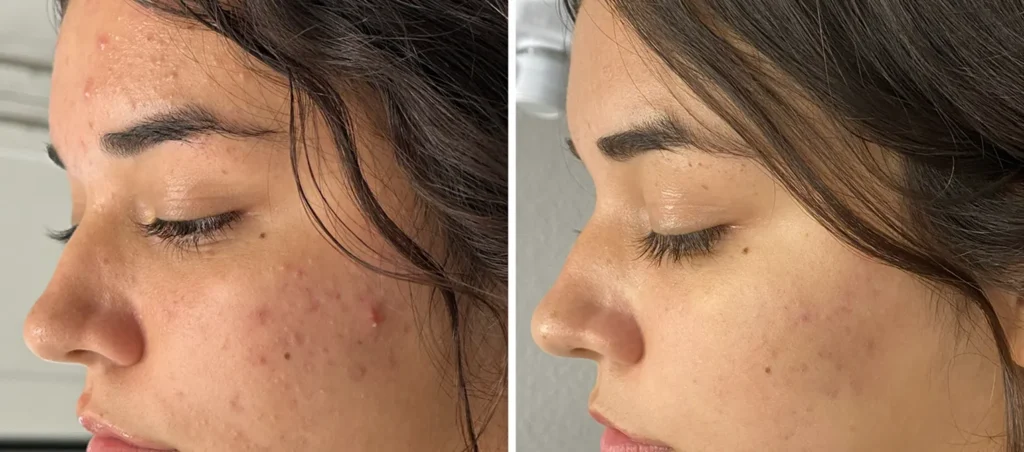
Comedonal acne — blackheads and clogged pores cleared through AcneFix’s CLEAR protocol without prescription medication.
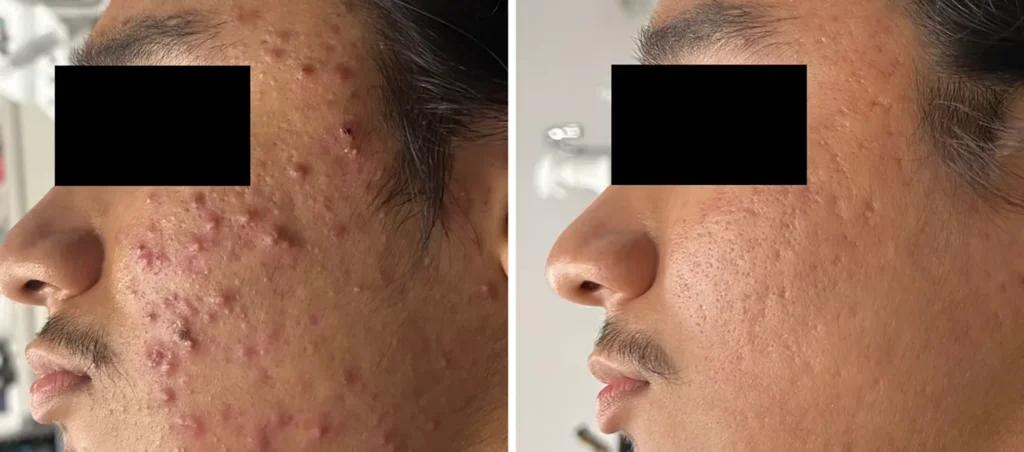
Inflammatory acne — red papules, pustules, and nodules — involves bacteria, excess sebum, and immune response. This is the type most likely to cause scarring and most likely to be undertreated with over-the-counter products alone.
This is the most straightforward signal. Salicylic acid washes, benzoyl peroxide gels, and drugstore spot treatments work for some people with mild acne. If your teen has been consistent with a routine for two to three months and isn’t seeing meaningful improvement, the products are not the right fit for their skin type and acne type. A specialist can identify exactly what’s driving the breakouts and build a plan around that.
Post-inflammatory hyperpigmentation (dark spots after a pimple heals) and actual scarring (changes in skin texture) are two different things, but both are signs that the acne is causing damage beyond the surface. If your teen’s skin isn’t clearing cleanly between breakouts, that’s a reason to act now — not later.
These patterns are strongly associated with hormonal acne, which is driven by androgen fluctuations common during puberty. Hormonal acne doesn’t respond well to topical treatments alone. A specialist will look at the full picture — including lifestyle factors, diet, and product ingredients — and build a protocol that addresses the hormonal component without prescription medication.
This is extremely common and completely understandable. When you have a visible pimple, the instinct to do something about it is strong. But picking significantly increases the risk of scarring and spreads bacteria to surrounding pores. If your teen is picking regularly, it’s a sign the acne is affecting them enough to intervene — and a specialist can give them an in-office treatment that actually reduces the lesions, removing the temptation.
This one is subjective, but it matters. If your teen is avoiding photos, withdrawing from social situations, refusing to go to school without heavy makeup, or expressing consistent distress about their skin, that’s a quality-of-life issue — not just a cosmetic one. Acne at this level of impact deserves professional attention regardless of its clinical severity.
If your teen has completed one or more courses of antibiotics and the acne returned after stopping, a different approach is needed. Antibiotics temporarily reduce the bacterial load but don’t address the underlying causes of acne. A specialist-led non-prescription protocol works differently — it changes the skin environment, making acne less likely to form in the first place.
There’s a common instinct to wait — to see if the teen “grows out of it,” or to avoid what feels like overreacting to a normal adolescent experience.
First, acne scars are permanent. The earlier inflammatory acne is controlled, the less opportunity there is for scarring to develop. Treating acne at 14 is categorically easier than treating acne scars at 24.
Second, the habits formed during teenage years around skin care, diet, and product choices carry forward into adulthood. When teens go through a structured acne program, they leave with a deep understanding of their own skin — what triggers their breakouts, which ingredients to avoid, and how to maintain clear skin long-term. Education is one of the most valuable things a specialist can provide.
As the temperature drops, our skin faces new challenges. Acne-prone skin can become even more reactive to environmental changes during colder months, making it essential to adjust your skincare routine. Here’s a guide to winter-proof your skincare, keeping breakouts at bay while maintaining healthy, hydrated skin.
Winter air is dry, which can strip the skin of its natural oils, leading to irritation and dehydration. For acne-prone skin, it’s crucial to maintain a balance between moisture and oil control. Opt for a non-comedogenic, oil-free moisturizer that hydrates without making your skin greasy. AcneFix’s HydraPlus Gel is an excellent choice, as it replenishes skin’s moisture and promotes a plump, hydrated complexion while guarding against transepidermal water loss.
It might seem less obvious in winter, but UV rays penetrate clouds and can damage your skin all year round. Sun exposure can worsen post-acne marks and hyperpigmentation. Choose a broad-spectrum sunscreen with SPF 30 or higher, preferably one formulated for acne-prone skin to avoid clogging pores. Make it a part of your morning routine, even on cloudy days.
Winter can make skin extra sensitive. A gentle, hydrating cleanser helps remove dirt and oil without stripping your skin of its natural moisture barrier. Cleansers with ingredients like ceramides or aloe can provide a soothing cleanse without the harshness. Remember, over-washing can disrupt the skin barrier, making it more prone to breakouts.
Exfoliating is essential to keep pores clear and remove dead skin, but too much can harm the skin’s natural barrier, especially in the colder months. Stick to exfoliating 1-2 times a week with a gentle exfoliant suited for acne-prone skin, such as a salicylic acid-based product. Avoid physical exfoliants with harsh beads or particles that can irritate sensitive skin
Indoor heating can dry out the air, making your skin feel dehydrated and tight. Adding a humidifier to your bedroom or living space can help keep the air moist, which supports hydrated skin. A well-hydrated skin barrier can reduce the chances of acne flare-ups and soothe irritation.
While it’s tempting to use thicker creams in winter, heavy or oil-based products can clog pores and lead to breakouts. Stick with lightweight, non-comedogenic products that won’t exacerbate acne. Look for ingredients like niacinamide, which can calm inflammation, and hyaluronic acid, which hydrates without oil.
Acne treatments such as retinoids or benzoyl peroxide can make skin sensitive to dry winter air. Continue your treatments, but consider spacing them out if you notice extra dryness or irritation. You may also want to add a hydrating serum or gentle moisturizer to reduce peeling or flaking.
What you eat and drink impacts your skin health, too. Staying hydrated by drinking plenty of water and including nutrient-rich foods in your diet can support your skin from the inside out. Healthy fats, such as omega-3s found in fish and flaxseed, can help keep skin supple and less prone to irritation.
Winter can be tricky for acne-prone skin, but with the proper adjustments, you can keep your skin clear, balanced, and resilient. If you’re unsure about the best products or routines for your unique skin type, The Acne Center of Houston is here to help! Our specialists can guide you in selecting a customized skincare regimen that adapts to seasonal changes, ensuring your skin stays happy and healthy year-round.
With a few seasonal tweaks and guidance from the Acne Center of Houston, you’re ready to keep your skin balanced, clear, and glowing all winter. Embrace the colder months with confidence, knowing your skin is in good hands!
Many people with acne-prone skin worry that sunscreen will clog pores or worsen breakouts. However, current guidance confirms that daily sun protection is one of the most critical steps in preventing acne from worsening and protecting long-term skin health.
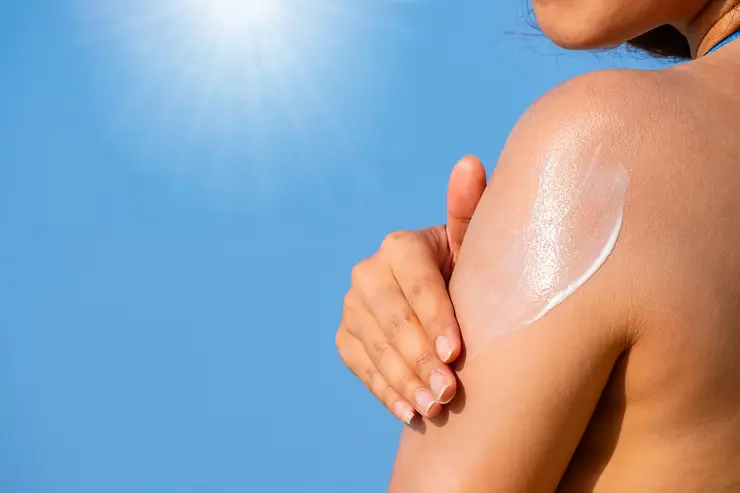
Stronger summer UV rays can:
Protecting your skin now helps reduce future breakouts, supports faster healing, and minimizes stubborn dark spots.
Experts recommend using a broad-spectrum sunscreen daily with an SPF 30 or higher. Look for:
Mineral sunscreens, such as AcneFix Tinted/Non-Tinted Mineral SPF 40 , are specifically designed for acne-prone skin, as they protect while calming and not clogging pores.
What you do for your skin in summer sets the tone for how it looks in the fall. Without proper sun protection, you risk darker scars and stubborn breakouts that can linger into the back-to-school season. A smart summer routine — including daily SPF — keeps your skin barrier healthy, prevents excess oil buildup, and helps treatments work more effectively.
Don’t let summer sun undo your clear-skin progress. Our team can help you choose the right sunscreen and build a plan to keep your skin protected and breakout-free.
Welcome to WordPress. This is your first post. Edit or delete it, then start writing!